Prepare a short, relevant brief
Write down what you need from a programme before reading promotional claims. Include the discipline, realistic travel range, education or work commitments and the athlete’s own priorities. A young athlete may value group relationships and a clear routine more than a parent expects. An experienced athlete may need a precise explanation of competition support rather than a general tour.
Send only the information needed to arrange the visit. Medical records and detailed personal histories should not be shared casually through a general enquiry channel. If a trial or assessment requires additional information, ask who receives it, how it is protected and whether an appropriate professional is involved.
Observe a complete sequence
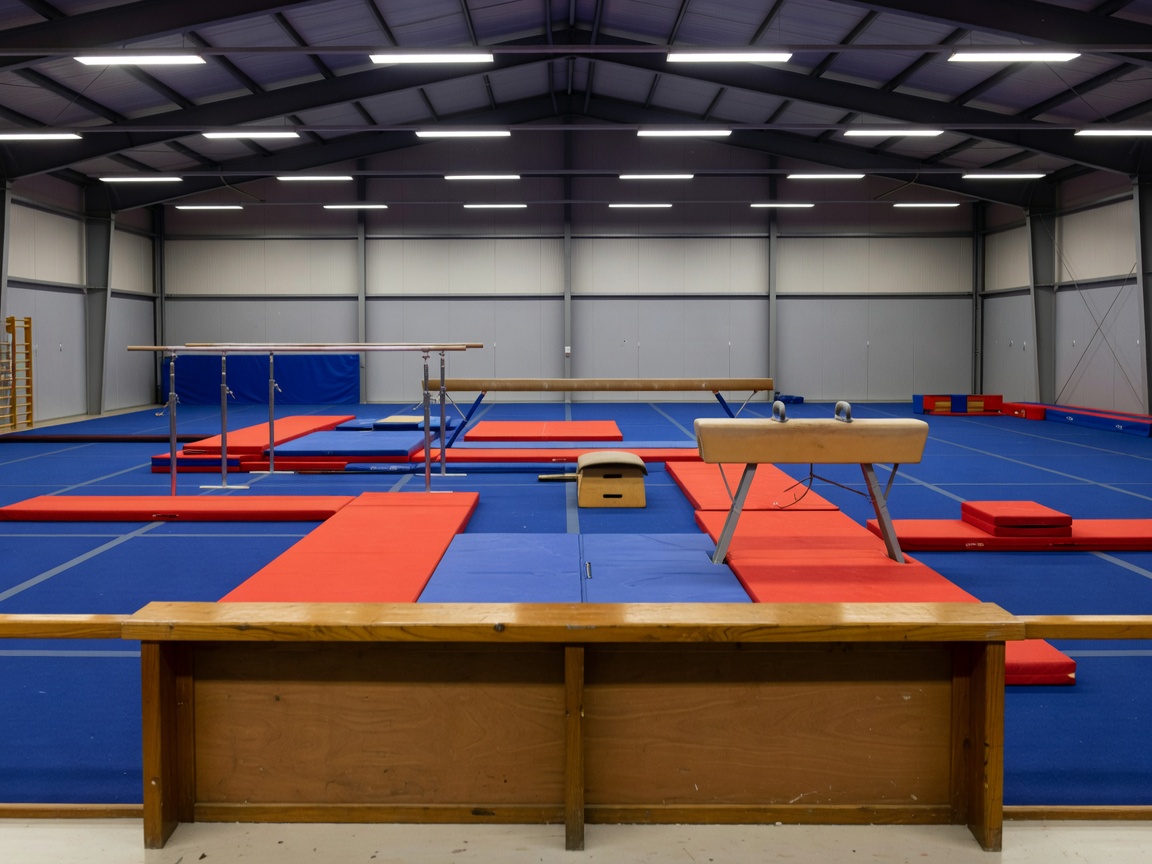
If permitted, watch arrival, preparation, apparatus work, rest and the end of the session. A short demonstration may not show changeovers, communication or the way athletes leave the hall. Ask staff which parts of your observation are representative and which are unusual because of an event, school holiday or timetable change.
Use notes that separate what you saw from what you were told. “Athletes waited beside the marked area” is an observation. “The coach said this group reviews goals each term” is a reported arrangement. “Everyone seemed happy” is an impression. All three can contribute to a conversation, but they should not carry the same evidential weight.
Request specific evidence without intruding
Ask how to confirm the club’s governing-body relationship and the relevant coaching qualifications. Use the organisation’s official channels rather than relying on a logo in a brochure. Federation membership may tell you something important, but it should not be stretched into a claim that every aspect of a programme has been independently assessed.
You can also request current welfare procedures, fee information and the process for raising concerns. You do not need confidential information about other athletes, staff medical details or unrestricted access to internal systems. A programme should be able to explain its processes while respecting the privacy of the people already using them.
Make the full commitment visible
Ask for written details of tuition or membership charges, federation registration, competition entry, clothing, travel and any separate specialist services. Check how fees change, what happens during absences and whether a deposit or notice period applies. This site does not publish standard academy prices because arrangements vary and must be confirmed with the provider.
Clarify the expected attendance and the consequences of missing sessions. Ask about examination periods, holidays and changes in motivation. If overseas travel is possible, establish who arranges it, who supervises young athletes and which costs families meet. An attractive headline fee may not represent the full financial or time commitment.
Compare answers, not invented ratings
After each visit, organise your notes under the same headings: session organisation, coaching communication, welfare route, practical support, attendance and costs. Mark unanswered questions plainly. Do not convert your notes into an implied safety certification or assume that the newest building is the best fit.
Give the athlete an opportunity to speak without having to match an adult’s enthusiasm. Ask what felt understandable, what felt uncertain and whether they knew whom to approach. Their response is not a substitute for checking policies or qualifications, but it is an important part of assessing whether the environment is workable for them.
Pause before making the decision
Request clarification in writing where an answer affects your commitment. Read the membership or service terms, cancellation provisions and complaints process before paying. For cross-border arrangements, consumer information from the European Consumer Centre network may help you understand where to seek guidance; it does not replace advice about a particular contract.
If a concern remains unresolved, you do not need to turn it into a public allegation to decide against joining. Ask the appropriate organisation for guidance where necessary and keep your notes factual. The aim is a well-informed decision, not a dramatic verdict about a training hall you have visited once.