Start with ordinary needs
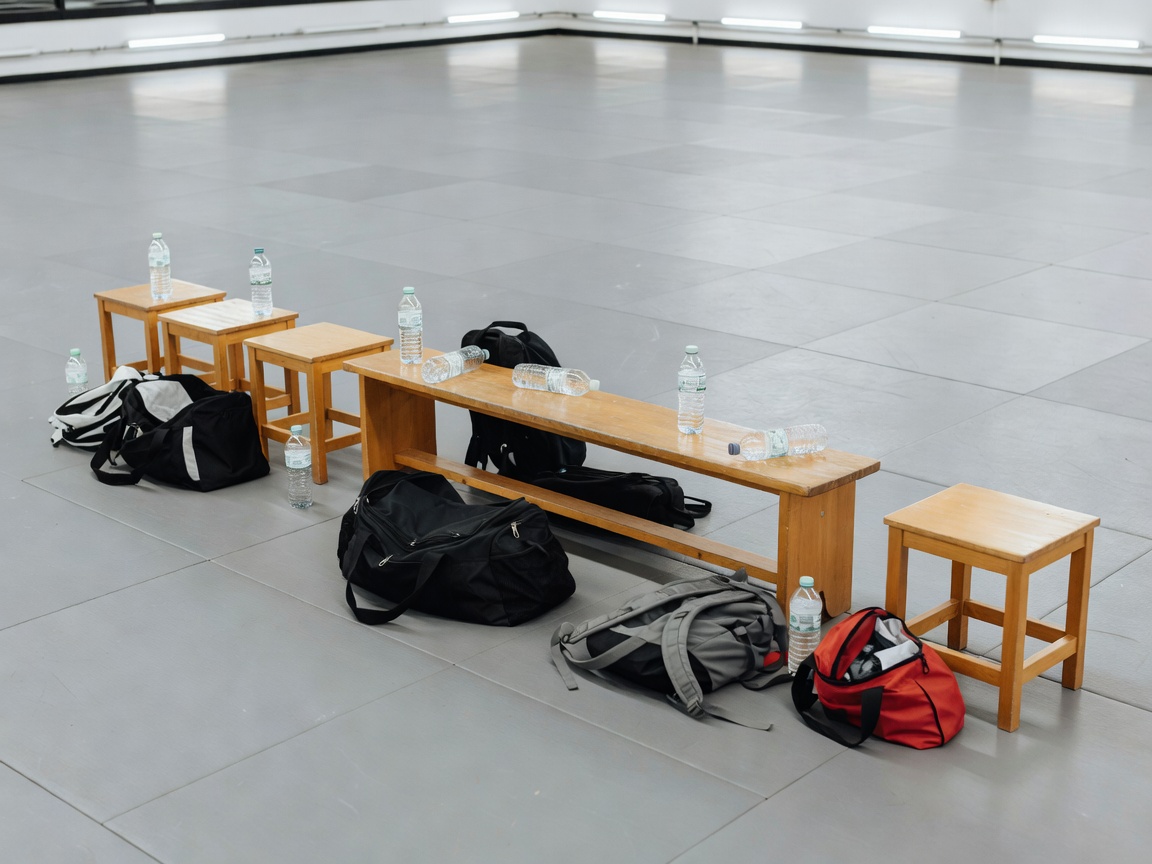
Check where athletes can drink, eat at appropriate times, use toilets and change. Ask how access works during a session and whether athletes need permission to leave the activity area. The answer should account for supervision without making ordinary needs difficult to communicate. Consider privacy, accessibility and the age range sharing the facilities.
A place to rest does not need to look luxurious. It needs to work within the setting. Notice whether resting athletes remain where staff expect them to be and whether there is a quieter place for a conversation when required. Ask where an athlete waits if collected late or if a session finishes unexpectedly. Those details are easily missed in a tour focused on equipment.
Know the welfare route
Ask for the named welfare or safeguarding contact and a way to reach them outside the immediate coaching relationship. Athletes and parents should understand how to raise a concern, what information may be shared and where an unresolved concern can go next. Policies are useful only when people can find and use them.
The NSPCC Child Protection in Sport Unit provides UK-focused safeguarding resources; its guidance helps frame questions but does not replace the procedures relevant to another country. In Finland, the Finnish Center for Integrity in Sports, FINCIS, provides integrity-related information and reporting resources. Identify the route applicable to the academy’s actual location and governing body rather than assuming that every organisation uses the same system.
Keep healthcare responsibilities clear
Ask what happens when an athlete reports pain, illness or a concern about returning to training. Who records the issue? Who contacts a parent when appropriate? When is external healthcare involved? Staff should explain emergency arrangements and the boundary between coaching decisions and clinical advice without suggesting that access to support guarantees an outcome.
A physiotherapist, physician, psychologist or dietitian should be appropriately qualified for the service they provide. Verify professional registration where applicable. It is reasonable to ask about referral processes and confidentiality; it is not appropriate to request another athlete’s health information as evidence that a system works.
Discuss food and clean sport carefully
Food, hydration and body-related conversations should be handled with care, especially for young athletes. Ask who is permitted to give individual nutrition advice and how concerns are referred. This website does not recommend supplements, body targets or eating plans. A general training programme is not a substitute for individual assessment by a suitable professional.
The World Anti-Doping Agency publishes the Prohibited List and other anti-doping resources. UK Anti-Doping and national organisations provide further education within their jurisdictions. Athletes subject to anti-doping rules need current, relevant advice about medicines, supplements and their responsibilities. A product being sold as natural, or recommended informally at a gym, does not settle those questions.
Include school, work and travel
A demanding timetable affects the hours outside the hall. Ask how the programme handles examinations, school communication, work shifts and long journeys. Do not assume that a performance pathway automatically includes formal education support. If a partnership with a school or university is advertised, request the practical terms and confirm them with the other institution.
Travel can change the feasibility of a programme even when the sessions themselves look suitable. Include collection arrangements, transport reliability, meals and time to unwind in your discussion. An athlete’s preferred level of involvement may differ from a parent’s initial plan; leave room for that view to be heard.
Make communication part of the routine
Ask when athletes and families receive updates, which channels are used and who can access shared information. Video feedback, messaging groups and attendance systems raise privacy questions as well as convenience questions. Find out whether images are used for coaching, publicity or both, and how permissions are managed.
Support is not measured by the number of specialist job titles in a brochure. It is measured, for your decision-making purposes, by whether you understand the available routes, their limits and the people accountable for them. Write down what remains unanswered and request clarification before committing.